Hey there! Let’s talk about the power engine market and what’s ahead. Things are changing pretty fast out there, and it looks like technology and some clever partnerships are really pushing the future of Power Engines. A recent report from MarketsandMarkets dropped some interesting info, suggesting that the global power engine market could jump from $XX billion in 2023 to a whopping $XX billion by 2030. That's a big deal! It shows we're on the right track toward more efficient and sustainable energy options.
So, speaking of companies, TECHIE Inc. is a key player in this field, mainly making ignition systems for stationary gas engines. They’ve got an impressive reputation, covering over 95% of well-known brands like GE Jenbacher, MWM, and CAT. Their focus is all about offering a wide range of ignition solutions along with a one-stop shop for gas engine spare parts. Because of all this, TECHIE is really leading the charge when it comes to innovation in an industry that’s all about tweaking performance and upholding quality. In this blog, we’ll dive into some important things to think about when picking reliable manufacturers in the power engine scene. This way, businesses can make smart choices when it comes to procurement. Stick around!
Overview of Power Engines in Global Procurement
You know, in today’s fast-changing world of global procurement, power engines are super important for boosting efficiency and sparking innovation. Seriously, if you get how these engines work, you can really give your company a leg up on the competition. Think about it: tools like advanced analytics and AI tech can really help simplify decision-making and make supplier relationships that much smoother. When businesses tap into real-time data and predictive analytics, they can totally step up their procurement game and stay on their toes, even when the market gets a bit wobbly.
Here’s a tip: it’s a great idea to set up a centralized procurement platform that brings together all these power engines. This way, you can get a clear picture of your supply chain, and it also encourages teams to work together better. Plus, you might find some cost-saving opportunities by relying on data-driven strategies.
And let’s not forget, the rise of sustainability-focused power engines shows just how much things are changing in procurement. More and more companies are putting eco-friendly suppliers and sustainable sourcing at the top of their priority list. By using power engines that focus on sustainability, you can shrink your environmental footprint and attract those conscious consumers who care about the planet.
Another little tip: don’t forget to regularly check and fine-tune your procurement policies to include sustainable practices. Making sure your power engines align with your company’s social responsibility goals is key. This proactive approach not only boosts your brand image but also strengthens partnerships with suppliers who are into sustainable development.
Key Characteristics of Different Types of Power Engines
You know, the global procurement market is seriously on the verge of a big change, all thanks to some exciting new power engines popping up. If businesses really want to step up their procurement game, they need to get familiar with what these engines are all about. So, there are essentially three main types to consider: traditional power engines, hybrid solutions, and digital platforms. A recent report from McKinsey points out that traditional engines are still holding strong, making up about 60% of global procurement spending. But, they’re definitely feeling the heat from hybrid and digital solutions that promise to make things way more efficient and transparent.

Now, hybrid power engines are pretty cool because they mix those classic procurement methods with some nifty tech advancements. This combo not only offers better scalability but also flexibility, which means businesses can quickly adapt to whatever the market throws at them. According to a study by Deloitte, companies that have embraced hybrid solutions have slashed their procurement cycle times by 20%! On the flip side, digital platforms are flipping the script entirely; they’re using fancy analytics and AI to completely change the game. Reports are saying that these digital procurement solutions can automate up to a whopping 80% of procurement tasks, which is a game changer. This way, teams can really focus on making those strategic decisions rather than just getting bogged down in manual tasks.
Suitability and Application Areas for Various Power Engines
You know, the future of global procurement is really starting to hinge on some pretty innovative power engines that are shaking things up in how businesses source and manage their resources. We're talking everything from AI algorithms to cutting-edge blockchain technology. These tools are popping up in all sorts of areas, making things a lot more efficient and transparent. For example, those AI-driven analytics? They can predict demand like nobody's business, which helps companies keep their inventory in check and cut down on waste.
Here's a little tip: when you're picking a power engine for your needs, really think about what your procurement strategy is all about. Tailoring the tech to fit your unique situation can lead to some major gains in performance.
Oh, and let’s not forget about IoT (you know, the Internet of Things), which is also making waves in supply chain management. Those IoT devices can keep tabs on goods and services in real-time, giving businesses a level of visibility in the procurement process that was pretty much unheard of before. This means companies can react quickly to market shifts and handle supply chain risks way better.
Another tip for you: when you're rolling out these power engines, don't forget about scalability. As your business grows and changes, make sure the technologies you've chosen can keep up and evolve with your future needs.
Innovative Trends Disrupting the Procurement Landscape
You know, the whole procurement game is really changing these days. It's like there's this wave of new trends that are totally flipping the script on how companies get their goods and services. One of the biggest shifts is coming from advanced technologies like AI and machine learning. These tools are giving procurement professionals the power to make decisions backed by solid data. They’re great at boosting efficiency by taking care of those boring routine tasks, sifting through mountains of data to help pick the right suppliers, and even predicting market demands with surprising accuracy.
And let’s not forget about sustainability! Nowadays, more and more organizations are really focusing on ethical sourcing and going green with their products. It's not just about saving a few bucks anymore; companies are aligning their procurement strategies with their bigger corporate social responsibility goals. This trend is all about keeping up with what consumers expect, but it also pushes businesses to innovate and think smarter about sustainability. If suppliers don’t keep up, they might just miss out on some big contracts. So, it’s safe to say that procurement isn’t just a numbers game anymore—it’s a key part of driving innovation and bolstering a brand’s reputation in a tough market.
Practical How-to Tips for Implementing Power Engines
You know, in the fast-paced world of global procurement, making the most of your efficiency is super important if you want to stay ahead of the game. By bringing in some powerful engines into your procurement processes, you’re not just sparking innovation; you’re also boosting productivity big time! But, to really make these systems work for you, it’s essential to break down the practical steps. So, start by taking a good look at your current procurement setup and figuring out where the bottlenecks are. Using automation tools can really help with the repetitive tasks that bog down your team, freeing them up to focus on those critical strategic decisions.
And let’s not forget about collaboration—getting everyone on board is vital. Make use of digital platforms that make it easy for teams to communicate and share insights together, optimizing those procurement strategies as a group. Plus, investing in training and ongoing education about the latest tech can empower your workforce, keeping them sharp and ready to tap into new tools. Oh, and bringing in data analytics will give you valuable insights into spending habits and supplier performance, which can lead to smarter negotiation tactics and overall improved procurement efficiency. With these practical tips in mind, organizations can really leverage the power of those engines to transform their procurement processes and drive sustainable growth.
Future Outlook: Challenges and Opportunities in Procurement Markets
So, here we are, living in a pretty fast-paced world where the procurement scene is really shaking things up. Technology is pushing boundaries and, let’s be honest, we can’t ignore the environment either. Companies are working hard to make their supply chains as efficient as possible, but it's not without its bumps along the way. They’re grappling with rising costs and the push for more transparency. And you know what? Going green isn’t just a nice-to-have anymore. It’s crucial—not just to tick the regulatory boxes, but also to keep up with what consumers and stakeholders are expecting these days.
If you want to boost your procurement game, have you thought about using digital tools like e-procurement platforms? These can really make a difference by simplifying buying processes, enhancing how you work with suppliers, and giving you insights through data analytics that help you make smarter choices.
There’s a whole world of opportunities out there for those willing to think outside the box. AI and machine learning are changing the way we pick suppliers and manage risks, which is pretty exciting. Plus, forming strategic partnerships could be a game changer—it’s all about pooling resources and skills to drive long-term success.
Oh, and here’s a little tip: never underestimate the power of investing in your procurement team’s training. Keeping them in the loop with the latest industry trends and tech means they're better prepared to spot new opportunities and tackle challenges head-on. This way, your organization can stay ahead of the curve and thrive in this ever-evolving market.
Unlocking Performance: The Importance of High-Quality Ignition Cables for Gas Engines in Industrial Applications
In industrial applications, the performance of gas engines is paramount. High-quality ignition cables are essential for ensuring optimal engine performance, reliability, and efficiency. Research indicates that inadequate ignition components can lead to significant operational inefficiencies, including increased fuel consumption and decreased power output. According to a report by the Society of Automotive Engineers, poor ignition performance can reduce engine efficiency by up to 10%, underlining the critical importance of using superior ignition cables.
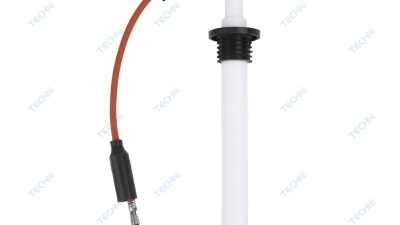
The TECHIE high-quality ignition cables are specifically designed for use in Guascor, Perkins, Dorman, and Waukesha gas engines, making them an excellent choice for industry professionals seeking to enhance engine performance. These cables are engineered to provide superior conductivity and durability, which not only improves starting performance but also ensures consistent ignition timing under varying operational conditions. In environments where reliability is non-negotiable, utilizing high-performance ignition cables can lead to smoother operations and reduced downtime.
Moreover, studies have shown that implementing high-quality ignition systems can lead to a marked improvement in emissions control, which is becoming increasingly important in the face of stringent regulatory standards. With innovation in materials and design, the TECHIE ignition cables minimize electrical resistance and enhance the overall ignition system, reinforcing their significance in maximizing both performance and compliance. Investing in quality ignition cables is a critical step towards achieving sustainable operational excellence in gas engine applications.
FAQS
: Power engines are advanced tools, such as AI-driven analytics and predictive analytics, that streamline decision-making processes and optimize supplier relationships, helping organizations enhance their procurement strategies.
By implementing centralized procurement platforms that integrate various power engines, businesses can gain comprehensive insights, promote collaboration, and identify cost-saving opportunities through data-driven strategies.
Organizations are increasingly prioritizing eco-friendly suppliers and sustainable sourcing techniques, using power engines that emphasize sustainability to reduce their environmental footprint and attract eco-conscious consumers.
Companies should consider their specific needs and goals when selecting a power engine, tailoring the technology to their unique operational context for greater performance improvement.
IoT devices allow real-time monitoring of goods and services, providing unprecedented visibility in the procurement process, which enables businesses to respond swiftly to market changes and manage supply chain risks effectively.
Organizations face challenges such as increasing cost pressures, the need for transparency, and the necessity to embrace sustainable practices to comply with regulations and meet stakeholder expectations.
Companies can benefit from integrating AI and machine learning for supplier selection and risk management, as well as developing strategic partnerships to leverage shared resources for long-term success.
Digital tools like e-procurement platforms streamline purchasing processes, improve supplier collaboration, and provide valuable data analytics, aiding in informed decision-making.
Regular training helps procurement teams stay updated on industry trends and technologies, equipping them to identify opportunities and navigate challenges effectively in a changing market landscape.